
Cleaning your roof and siding is essential for maintaining your home’s appearance and structural health. However, howyou clean matters just as much as when you clean. Many homeowners assume pressure washing is the fastest solution, but for roofs and siding, it can often do more harm than good. In most cases, soft washing is the safer, smarter choice.
Below, we’ll break down exactly when soft washing is safer for roofs and siding, why it works better, and how it protects your home long-term.
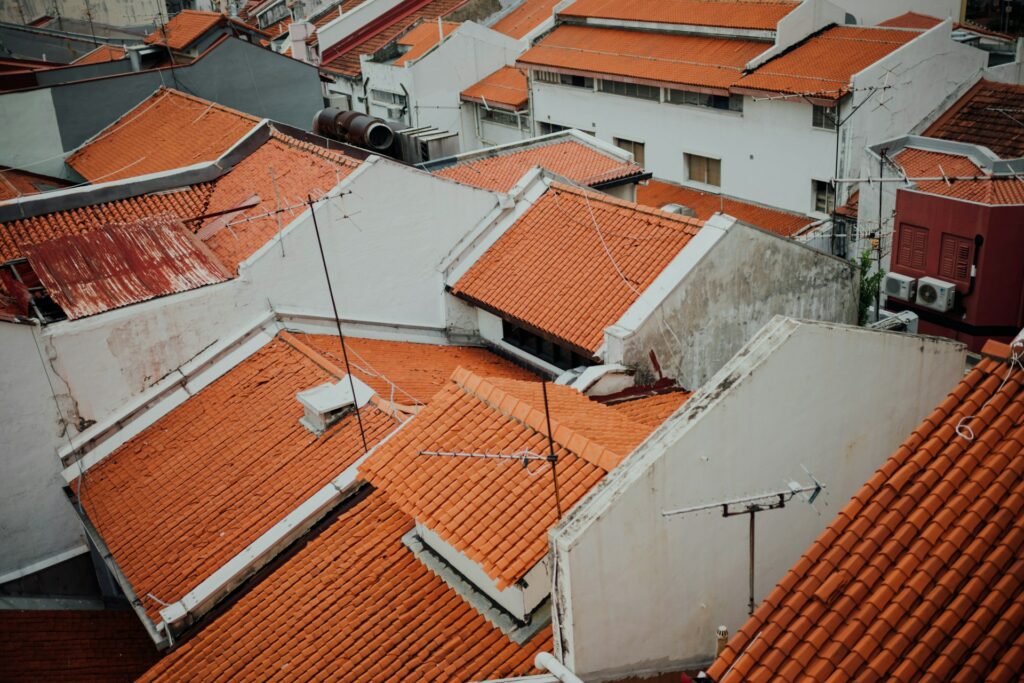
What Makes Roofs and Siding Vulnerable?
Roofs and siding are designed to protect your home—not to withstand extreme water pressure. Over time, exposure to sun, wind, and moisture weakens these materials, making them especially sensitive to aggressive cleaning.
Common vulnerabilities include:
- Aging or brittle shingles
- Painted or coated siding
- Vinyl panels with seams
- Stucco or fiber cement surfaces
- Caulking, flashing, and sealants
In these situations, high-pressure water can force moisture behind surfaces, loosen materials, and shorten their lifespan.
Soft Washing vs. Pressure Washing: The Safety Difference
Soft washing uses low-pressure water combined with eco-friendly cleaning solutions to break down dirt, algae, mold, and mildew at the root.
Pressure washing relies on force, often exceeding 2,000–3,000 PSI.
For roofs and siding, low pressure + smart chemistry is far safer than raw power.
When Soft Washing Is Safer for Roofs
1. Asphalt Shingle Roofs
The protective granules on asphalt shingles help shield them from UV damage, but high-pressure washing can cause them to come off.
Soft washing is safer because it:
- Preserves shingle granules
- Prevents premature roof aging
- Avoids water intrusion under shingles
If your roof has dark streaks caused by algae, soft washing removes the growth without damaging the shingles.
2. Older or Weathered Roofs
As roofs age, materials become more fragile. High pressure can crack tiles, lift shingles, or break seals.
Soft washing is ideal when:
- The roof is more than 8–10 years old
- Shingles appear curled or brittle
- Minor wear is already visible
Gentle cleaning prevents turning small issues into costly repairs.
3. Roofs with Mold, Algae, or Lichen
Organic growth spreads through spores, which pressure washing often fails to eliminate.
Soft washing:
- Kills growth at the root
- Slows regrowth
- Keeps roofs cleaner for longer
This makes it safer and more effective for long-term roof care.
When Soft Washing Is Safer for Siding
4. Vinyl Siding
Vinyl siding may look durable, but high pressure can:
- Crack panels
- Force water behind siding
- Loosen fasteners
Soft washing cleans vinyl thoroughly without breaking seals or causing leaks.
5. Painted or Coated Siding
Paint acts as a protective layer. Pressure washing can peel, chip, or fade it.
Soft washing:
- Preserves paint finishes
- Prevents peeling and flaking
- Extends repainting cycles
If your home has been painted within the last few years, soft washing is the safer option.
6. Stucco, Fiber Cement, and Wood Siding
These materials are especially vulnerable to water intrusion.
Soft washing is safer because it:
- Avoids surface erosion
- Prevents moisture absorption
- Reduces cracking and rot
For wood siding, soft washing also prevents splintering and grain damage.
Weather Conditions That Favor Soft Washing
Soft washing is also safer during certain environmental conditions:
- Hot weather: High pressure dries surfaces too quickly, increasing damage risk
- Humid climates: Soft washing kills mold and algae more effectively
- Rainy seasons: Lower pressure reduces water intrusion issues
In these conditions, soft washing delivers consistent, controlled results.
Long-Term Safety Benefits of Soft Washing
Choosing soft washing isn’t just about immediate safety—it’s about long-term protection.
Soft washing helps:
- Extend roof and siding lifespan
- Reduce maintenance frequency
- Prevent costly repairs
- Maintain warranties on roofing materials
Many roofing manufacturers actually recommend low-pressure cleaning methods to keep warranties valid.
When Pressure Washing Might Still Be Appropriate
Pressure washing does have its place—but not on roofs or most siding.
It’s better suited for:
- Concrete driveways
- Sidewalks and patios
- Stone or brick surfaces
Using the right method for the right surface is key to protecting your home.
Conclusion: Soft Washing Is the Safer Choice for Most Homes
Soft washing is safer for roofs and siding whenever materials are delicate, aging, painted, or exposed to organic growth. By using gentle pressure and targeted cleaning solutions, it cleans deeper while protecting the surfaces that protect your home.If your goal is a clean exterior without damage, leaks, or premature wear, soft washing is the clear winner.