
Primary Keyword: What causes black streaks on roofs in New Jersey
Suggested SEO-Friendly URL Slug:
/what-causes-black-streaks-on-roofs-in-new-jersey/
Introduction
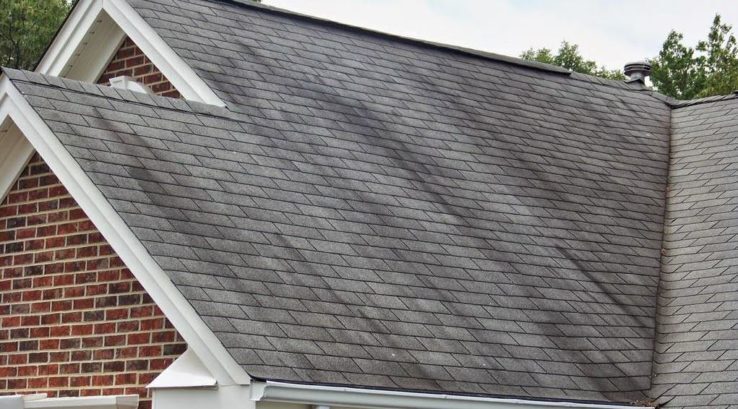
If you’ve noticed dark lines running down your shingles, you’re probably wondering what causes black streaks on roofs in New Jersey—and whether they’re something to worry about. These streaks are extremely common across the state and often make roofs look far older than they actually are.
While many homeowners assume black streaks are dirt or pollution, the real cause is more specific—and more harmful over time. New Jersey’s humid climate, frequent rainfall, and seasonal temperature changes create ideal conditions for the growth responsible for these stains. Understanding what’s behind them is the first step toward protecting your roof and extending its lifespan.
The Primary Cause: Algae Growth (Gloeocapsa Magma)
“Black roof streaks are mainly caused by airborne algae known as Gloeocapsa magma.”This algae thrives in warm, humid environments—making New Jersey an ideal location for its growth.
Why This Algae Causes Black Streaks
- It feeds on limestone filler in asphalt shingles
- It spreads through airborne spores
- It forms dark, streak-like patterns as it grows downward with rainwater
Once established, the algae doesn’t die off on its own. In fact, it continues to spread across shingles if left untreated.
Why Black Streaks Are So Common in New Jersey
Several local factors accelerate algae growth on NJ roofs.
1. High Humidity and Rainfall
New Jersey experiences long periods of humidity combined with frequent rain. Moisture allows algae to thrive and spread rapidly, especially during late spring through early fall.
2. Shaded Roof Areas
Homes surrounded by trees or positioned with north-facing roof slopes receive less direct sunlight. Without sunlight to dry the surface, moisture lingers—creating the perfect environment for algae growth.
3. Seasonal Temperature Swings
Freeze-thaw cycles weaken shingles over time. As shingles age, they become more porous, allowing algae to anchor more easily.
4. Older Asphalt Shingles
As shingles age, they lose protective granules. This exposes more of the limestone filler that algae feeds on, making older roofs especially prone to black streaks.
Are Black Streaks Just Cosmetic?
While black streaks don’t usually cause immediate leaks, they are not just a cosmetic issue.
Long-Term Risks of Algae Growth
- Retains moisture on shingles
- Accelerates shingle deterioration
- Reduces roof lifespan
- Traps heat, increasing attic temperatures
- Makes future cleaning more difficult
Over time, algae-covered shingles can age significantly faster than clean ones.
Why Pressure Washing Makes the Problem Worse
Many homeowners attempt to remove black streaks using pressure washers. Unfortunately, this often causes more harm than good.
Problems With Pressure Washing Roofs
- Strips protective granules from shingles
- Forces water under shingles
- Shortens roof lifespan
- Does not kill algae at the root
While pressure washing may remove surface stains temporarily, algae often returns faster than before.
The Safe Solution: Soft Washing
Professional roof cleaning experts use soft washing to safely eliminate black streaks.
How Soft Washing Works
- Uses low-pressure water
- Applies roof-safe, biodegradable solutions
- Kills algae at the root
- Allows stains to fade naturally over time
Soft washing is recommended by roofing manufacturers and exterior cleaning professionals as the safest method for asphalt shingles.
How Long Does It Take for Black Streaks to Return?
With professional soft washing:
- Roofs typically stay clean 2–3 years
- Shaded or tree-covered roofs may need cleaning sooner
- Preventative treatments can extend results
Without treatment, black streaks will continue spreading year after year.
How Often Should NJ Roofs Be Cleaned?
Most New Jersey homes benefit from:
- Roof washing every 2–3 years
- More frequent service for heavily shaded homes
- Immediate cleaning if algae growth is visible
Regular maintenance is far less expensive than premature roof replacement.
Frequently Asked Questions (FAQ)
Are black streaks mold?
No. They are usually algae, not mold, though both thrive in moisture.
Do black streaks mean my roof is failing?
Not immediately, but they can shorten roof lifespan if ignored.
Can black streaks be prevented?
Yes. Regular soft washing and proper roof maintenance help prevent regrowth.
Is roof washing safe for asphalt shingles?
Yes—when done using soft washing methods, not high pressure.
Conclusion
So, what causes black streaks on roofs in New Jersey? The answer is airborne algae fueled by humidity, moisture, shade, and aging shingles. While common, these streaks aren’t harmless. Left untreated, they can shorten your roof’s lifespan and impact your home’s appearance and value.
“Professional soft washing safely removes algae and protects your roof—without the risks of pressure washing.”
Conversion-Optimized Call to Action (CTA)
If black streaks are spreading across your roof, don’t wait for permanent damage.
👉 Schedule a professional roof washing today and protect your New Jersey home with safe, proven methods.
SEO Optimization Summary
Primary Keyword:
- What causes black streaks on roofs in New Jersey
Secondary Keywords:
- black streaks on roof NJ
- roof algae New Jersey
- roof cleaning NJ
- soft wash roof cleaning
LSI Keywords:
- algae on asphalt shingles
- roof discoloration
- humidity damage
- exterior home maintenance
Internal Linking Opportunities:
- Roof Washing in New Jersey: Safe Methods That Protect Your Shingles
- Why New Jersey Homes Get Dirty Faster Than You Think
- The Best Pressure Washing Services for NJ Homeowners
- Can Pressure Washing Damage Siding? NJ Experts Explain
Meta Title (SEO-Optimized)
What Causes Black Streaks on Roofs in New Jersey?
Meta Description (≤160 Characters)
Wondering what causes black streaks on roofs in New Jersey? Learn why algae forms, why it spreads, and how to remove it safely.