
Primary Keyword: How NJ humidity impacts siding and roofs
Suggested SEO-Friendly URL Slug:
/how-nj-humidity-impacts-siding-and-roofs/
Introduction
New Jersey homeowners often focus on winter damage—but humidity may be just as destructive. Understanding how NJ humidity impacts siding and roofs is critical for protecting your home from mold growth, premature material failure, and costly repairs.
NJ’s long, humid summers and moisture-heavy shoulder seasons create ideal conditions for mold, algae, and moisture retention on exterior surfaces. Unlike storms or snow, humidity works slowly and continuously—causing damage that often goes unnoticed until it becomes expensive to fix.
Why New Jersey Homes Face High Humidity Levels
New Jersey’s geographic location and climate contribute to prolonged humidity.
Key factors include:
- Proximity to the Atlantic Ocean
- Frequent rainfall and storms
- Warm summers with high dew points
- Tree-lined neighborhoods that limit airflow
This persistent moisture makes siding and roofs especially vulnerable—particularly in shaded or poorly ventilated areas.
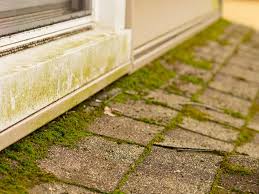
1. Humidity Encourages Mold, Mildew, and Algae Growth
One of the most visible ways NJ humidity impacts siding and roofs is organic growth.
Why Growth Thrives in Humid Conditions
- Moist air prevents surfaces from drying
- Spores activate without direct rain
- Shade worsens moisture retention
On siding, mold often appears as green or black streaks. On roofs, algae shows up as dark stains that spread quickly during humid months.
2. Moisture Gets Trapped Behind Siding
High humidity doesn’t just affect the surface—it affects what’s underneath.
How Trapped Moisture Causes Damage
- Moist air seeps behind siding panels
- Dirt and grime hold moisture in place
- Poor airflow prevents drying
Over time, this leads to:
- Warping or buckling siding
- Wood rot behind vinyl or composite panels
- Insulation damage
Homes with older siding or poor drainage are especially at risk.
3. Paint and Finish Breakdown Accelerates
Humidity shortens the lifespan of exterior paint and finishes.
Common Humidity-Related Paint Issues
- Bubbling or blistering
- Peeling and flaking
- Uneven fading
Moisture trapped under paint layers weakens adhesion—causing paint failure much sooner than expected.
4. Roof Shingles Stay Wet Longer
Roofs are particularly vulnerable to NJ humidity.
Why Roofs Suffer in Humid Conditions
- Morning dew lingers
- Shaded slopes dry slowly
- Algae feeds on shingle materials
As shingles remain damp, granules loosen, algae spreads, and the roof ages faster. Humidity-related roof damage is especially common on north-facing slopes.
5. Humidity Amplifies Winter and Storm Damage
Humidity worsens existing damage.
For example:
- Moisture left from summer increases freeze-thaw stress in winter
- Damp materials crack more easily in cold weather
- Humid conditions weaken surfaces before storms hit
This makes NJ homes more susceptible to seasonal damage year-round.
6. Increased Risk of Indoor Air Quality Issues
Exterior humidity problems often move indoors.
How This Happens
- Mold spores enter through windows and vents
- Damp siding and roofs increase indoor humidity
- Basements and crawl spaces become moisture reservoirs
This can lead to:
- Musty odors
- Allergy flare-ups
- Increased HVAC strain
Exterior moisture control plays a key role in indoor air quality.
7. NJ Humidity Shortens Roof Lifespan
Roofs exposed to persistent humidity often need to be replaced sooner.
Why Roofs Fail Faster
- Algae eats away at shingle materials
- Moisture breaks down protective layers
- Heat + humidity accelerate deterioration
Regular roof cleaning and moisture management can add years to a roof’s life.
How Exterior Cleaning Helps Combat Humidity Damage
Professional exterior cleaning removes moisture-holding buildup.
Key Benefits
- Eliminates mold and algae at the root
- Allows siding and roofs to dry properly
- Reduces regrowth during humid months
- Protects materials from long-term deterioration
Soft washing is especially effective in humid climates like New Jersey.
Best Maintenance Schedule for Humid NJ Conditions
Recommended schedule:
- House washing: Once per year (every 6–9 months for shaded homes)
- Roof cleaning: Every 2–3 years (soft wash)
- Gutter cleaning: Spring and fall
- Concrete cleaning: Once per year
Homes with heavy shade or tree coverage may require more frequent service.
DIY vs Professional Cleaning in High Humidity
DIY cleaning often fails in humid environments.
DIY Limitations
- Mold regrows quickly
- Water-only cleaning spreads spores
- Improper pressure traps moisture
Professional services:
- Use humidity-specific treatments
- Kill growth at the root
- Deliver longer-lasting results
In NJ’s climate, professional cleaning is more effective and economical.
Frequently Asked Questions (FAQ)
Does humidity alone cause mold?
Yes. High humidity can activate mold without direct rain.
Is pressure washing enough to stop humidity damage?
Not by itself. Soft washing and proper treatments are needed.
Can humidity damage newer homes?
Absolutely. New homes are not immune to moisture buildup.
Is this a summer-only issue?
No. Humidity affects NJ homes from spring through fall.
Conclusion
“Knowing how NJ humidity impacts siding and roofs allows homeowners to prevent damage early.” Persistent moisture fuels mold growth, traps water behind materials, accelerates paint failure, and shortens roof lifespan—often without obvious warning signs.
With regular exterior cleaning, proper maintenance, and humidity-aware care, NJ homeowners can prevent damage, protect property value, and keep their homes healthier year-round.
Conversion-Optimized Call to Action (CTA)
Seeing mold, streaks, or moisture issues on your siding or roof?
👉 Schedule professional exterior cleaning today and protect your New Jersey home from humidity-related damage.
SEO Optimization Summary
Primary Keyword:
- How NJ humidity impacts siding and roofs
Secondary Keywords:
- humidity damage NJ homes
- siding mold New Jersey
- roof algae NJ
- exterior cleaning NJ
LSI Keywords:
- moisture retention
- mold and mildew growth
- algae stains
- humid climate home maintenance
Internal Linking Opportunities:
- Why Mold and Mildew Are Common on NJ Home Exteriors
- Mold Removal and Pressure Washing in New Jersey
- How Exterior Cleaning Protects NJ Homes From Moisture Damage
- Why Roof Cleaning Is Essential After NJ Winters
Meta Title (SEO-Optimized)
How NJ Humidity Impacts Siding and Roofs
Meta Description (≤160 Characters)
Learn how NJ humidity impacts siding and roofs, causing mold, algae, paint failure, and roof damage—and how exterior cleaning helps prevent it.