
Primary Keyword: How salt and snow damage concrete in New Jersey
Suggested SEO-Friendly URL Slug:
/how-salt-and-snow-damage-concrete-in-new-jersey/
Introduction
New Jersey winters don’t just make life inconvenient—they quietly damage your home’s exterior surfaces. Understanding how salt and snow damage concrete in New Jersey is essential for homeowners who want to avoid cracked driveways, crumbling walkways, and costly repairs after winter ends.
Snow, ice, and de-icing salts are effective at keeping surfaces safe—but they take a serious toll on concrete. The damage often starts small and worsens each winter if left unchecked. Knowing what causes the damage—and how to prevent it—can significantly extend the life of your concrete surfaces.
Why NJ Winters Are Especially Hard on Concrete
Concrete may look solid, but it’s porous by nature. In New Jersey, winter conditions exploit that weakness.
Key factors include:
- Repeated freeze-thaw cycles
- Heavy snow accumulation
- Frequent use of de-icing salts
- Moisture trapped in shaded areas
Because NJ temperatures often hover around freezing, concrete absorbs water, freezes, thaws, and refreezes repeatedly—creating ideal conditions for deterioration.
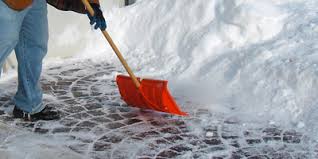
1. Freeze-Thaw Cycles Cause Internal Cracking
The most damaging winter force is freeze-thaw action.
How It Works
- Snow melts, and water seeps into concrete pores
- Temperatures drop, and water freezes
- Frozen water expands by up to 9%
- Internal pressure forms microcracks
Over time, these microcracks grow larger, leading to:
- Surface flaking
- Hairline cracks
- Uneven or pitted concrete
This process repeats dozens of times each winter in New Jersey.
2. De-Icing Salt Accelerates Concrete Breakdown
Salt makes winter travel safer—but it’s harsh on concrete.
How Salt Damages Concrete
- Lowers the freezing point of water
- Causes more frequent freeze-thaw cycles
- Pulls moisture deep into concrete pores
- Weakens surface bonds
Salt doesn’t just sit on the surface—it penetrates, increasing internal stress and speeding up deterioration.
3. Surface Scaling and Spalling
One of the most visible signs of salt and snow damage is scaling.
What Is Scaling?
“Concrete scaling happens when the surface layer flakes or peels, leaving rough, uneven areas exposed.”Common Causes
- Salt reacting with moisture
- Freeze-thaw pressure near the surface
- Older or unsealed concrete
Once scaling begins, concrete becomes more vulnerable to further damage.
4. Snow Traps Moisture Against Concrete
Snow isn’t just frozen water—it’s a moisture blanket.
Why This Matters
- Snow melts slowly in shaded areas
- Moisture remains trapped for extended periods
- Concrete stays saturated longer than normal
Saturated concrete is far more susceptible to freeze-thaw cracking and salt penetration, especially in driveways and walkways that don’t get full sun.
5. Winter Damage Creates Slip Hazards
As concrete deteriorates, safety becomes a concern.
Common Winter-Related Hazards
- Uneven surfaces from cracking
- Slippery algae growth in spring
- Reduced traction from surface wear
These hazards increase the risk of slips and falls—especially near entryways and sidewalks.
6. Salt Residue Continues Damaging Concrete After Winter
Salt damage doesn’t stop when the snow melts.
Lingering Effects
- Salt residue attracts moisture
- Damp surfaces dry more slowly
- Continued freeze-thaw stress during early spring
Without proper cleaning, salt continues to break down concrete long after winter ends.
7. Long-Term Cost of Ignoring Salt and Snow Damage
What starts as surface wear can become structural damage.
Potential Long-Term Issues
- Deep cracking
- Widespread spalling
- Uneven slabs
- Full replacement requirements
Concrete replacement is expensive—often costing thousands of dollars. Preventive maintenance costs far less.
How Spring Cleaning Helps Repair and Prevent Damage
Professional concrete cleaning in spring is critical.
Benefits of Post-Winter Cleaning
- Removes salt residue
- Flushes moisture-holding debris
- Restores traction and appearance
- Reveals cracks early
Clean concrete dries faster, reducing ongoing moisture stress.
The Role of Sealing in NJ Winters
Concrete sealing adds a protective barrier.
Sealing Benefits
- Limits water absorption
- Reduces salt penetration
- Slows freeze-thaw damage
Sealing is especially helpful for older driveways and heavily used walkways.
DIY vs Professional Concrete Care After Winter
DIY cleaning removes surface dirt—but often misses deeper issues.
DIY Limitations
- Incomplete salt removal
- Inconsistent pressure
- Risk of surface damage
Professional services:
- Use proper pressure levels
- Apply treatments designed for NJ winters
- Deliver longer-lasting protection
How Often Should NJ Concrete Be Maintained?
Recommended schedule:
- Concrete cleaning: Once per year (spring)
- Spot cleaning: As needed
- Sealing: Every few years, depending on exposure
Driveways near roads or with heavy salt use may need more frequent care.
Frequently Asked Questions (FAQ)
Is salt always bad for concrete?
Yes. While necessary for safety, salt accelerates concrete damage.
Can pressure washing fix winter damage?
Cleaning prevents further damage but doesn’t repair existing cracks.
Does sealing really help?
Yes. Sealed concrete resists moisture and salt penetration.
Should I stop using salt?
Use salt sparingly and choose concrete-safe deicers when possible.
Conclusion
Understanding how salt and snow damage concrete in New Jersey explains why winter maintenance—and post-winter care—are so important. Freeze-thaw cycles, moisture retention, and de-icing salts work together to weaken concrete every year.
With timely cleaning, proper sealing, and routine maintenance, NJ homeowners can significantly slow concrete deterioration and avoid costly repairs.
Conversion-Optimized Call to Action (CTA)
If your driveway or walkways show signs of winter wear, don’t wait for damage to worsen.
👉 Schedule professional concrete cleaning today and protect your New Jersey surfaces from salt and snow damage.
SEO Optimization Summary
Primary Keyword:
- How salt and snow damage concrete in New Jersey
Secondary Keywords:
- Winter concrete damage NJ
- Salt damage concrete
- driveway cleaning New Jersey
- Concrete Maintenance NJ
LSI Keywords:
- freeze-thaw cycles
- de-icing salt damage
- surface scaling
- spring concrete care
Internal Linking Opportunities:
- How Winter Damage Affects NJ Driveways and Walkways
- Why Concrete Cleaning Matters in New Jersey Neighborhoods
- Spring Pressure Washing Services in New Jersey: Why Timing Matters
- The Real Cost of Ignoring Exterior Cleaning in New Jersey
Meta Title (SEO-Optimized)
How Salt and Snow Damage Concrete in New Jersey
Meta Description (≤160 Characters)
Learn how salt and snow damage concrete in New Jersey and why spring cleaning and sealing help prevent cracks, scaling, and costly repairs