
Primary Keyword: How exterior dirt can affect indoor air quality
Suggested SEO-Friendly URL Slug:
/how-exterior-dirt-affects-indoor-air-quality/
Introduction
Most homeowners think indoor air quality depends only on HVAC systems, filters, or indoor cleaning—but few realize how exterior dirt can affect indoor air quality. In New Jersey’s humid, pollen-heavy climate, what builds up outsideyour home often finds its way inside.
Mold, mildew, pollen, dust, algae, and pollution that collect on siding, roofs, driveways, and entryways don’t stay put. They travel indoors through air leaks, doors, windows, ventilation systems, and even foot traffic. Over time, exterior buildup can contribute to allergies, odors, respiratory irritation, and overall poor indoor air quality—especially in NJ homes.
Why Exterior Conditions Matter for Indoor Air Quality
Your home is not airtight. Even well-sealed homes constantly exchange air with the outdoors.
Exterior contaminants enter through:
- Doors and windows
- HVAC intake vents
- Gaps around siding and trim
- Crawl spaces and basements
- Shoes, pets, and clothing
When exterior surfaces are dirty, they become a reservoir of airborne pollutants that are repeatedly pulled inside.
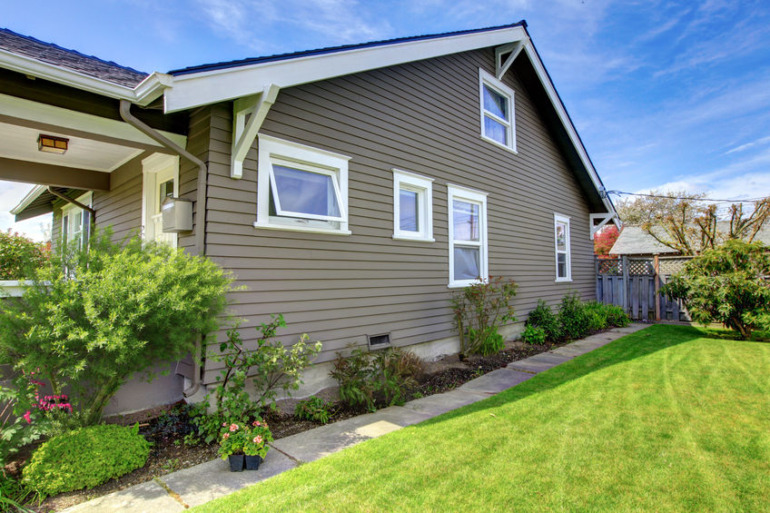
1. Mold and Mildew on Exteriors Release Spores Indoors
One of the biggest ways exterior dirt affects indoor air quality is through mold and mildew spores.
How It Happens
- Mold grows on shaded siding, trim, and roofs
- Spores become airborne
- Spores enter through windows, doors, and ventilation
- Indoor humidity allows spores to settle and multiply
In New Jersey’s humid climate, this cycle is extremely common—especially in homes with limited airflow or tree coverage.
Indoor Effects
- Allergy flare-ups
- Respiratory irritation
- Musty odors
- Increased asthma symptoms
Removing mold from exterior surfaces reduces the amount of spores entering your home.
2. Pollen Buildup Outside Increases Indoor Allergens
Spring in New Jersey brings heavy pollen, and exterior surfaces act like magnets for it.
Exterior Pollen Sources
- Siding
- Roofs
- Driveways and walkways
- Decks and porches
When pollen dries, it becomes airborne and easily enters your home.
Why This Matters
Even if you clean indoors frequently, pollen continues to re-enter from outside unless exterior surfaces are addressed. Professional exterior cleaning removes pollen at the source, reducing indoor allergy triggers.
3. Dirt and Dust Get Tracked Indoors Daily
Exterior dirt doesn’t need airflow—it often walks right in.
Common entry points:
- Shoes and boots
- Pet paws
- Strollers, bikes, and outdoor gear
Driveways, sidewalks, and entryways covered in dirt and grime dramatically increase the amount of dust tracked inside. Over time, this contributes to:
- Dust accumulation in carpets and furniture
- Poor indoor air circulation
- Increased HVAC filter contamination
Clean exterior hardscapes mean less dirt entering your home every day.
4. Exterior Algae and Grime Contribute to Odors
Organic growth on exteriors doesn’t just look bad—it smells.
Mildew and algae produce odors that:
- Enter through open windows
- Get pulled into ventilation systems
- Linger in basements and entry areas
If your home smells musty even after indoor cleaning, the source may be outside.
5. Dirty Gutters and Foundations Affect Basement Air
Exterior dirt buildup often leads to moisture problems around the foundation.
The Chain Reaction
- Dirty siding and clogged gutters cause water overflow
- Moisture accumulates near foundation walls
- Basements and crawl spaces become damp
- Mold spores rise into living spaces
Basement air frequently circulates throughout the home, meaning exterior moisture issues directly affect indoor air quality.
6. HVAC Systems Pull in Exterior Contaminants
Your HVAC system constantly exchanges air.
When exterior surfaces are near:
- Air intake vents
- Basement windows
- Utility openings
They are dirty, and contaminants are more likely to be drawn inside and distributed throughout the home. This increases:
- Filter clogging
- Dust buildup
- Circulated allergens
Regular exterior cleaning helps reduce the resistance your HVAC system has to overcome.
How Professional Exterior Cleaning Improves Indoor Air Quality
Professional exterior cleaning addresses the source of many indoor air problems.
Benefits Include
- Removal of mold and mildew at the root
- Elimination of pollen and organic debris
- Reduced moisture retention on surfaces
- Cleaner entryways and walkways
- Improved airflow around the home
In NJ’s climate, soft washing is especially effective because it kills organic growth rather than just rinsing it away.
How Often NJ Homes Should Be Cleaned for Air Quality Benefits
Recommended schedule:
- House washing: Once per year (every 6–9 months for shaded homes)
- Concrete & entryways: Once per year
- Roof washing: Every 2–3 years
- Gutter cleaning: Twice per year
Homes with allergies, asthma, pets, or young children may benefit from more frequent service.
DIY Cleaning vs Professional Results
DIY exterior cleaning often:
- Misses mold roots
- Spreads spores instead of removing them
- Uses incorrect pressure
Professional exterior cleaning:
- Uses soft washing to neutralize growth
- Removes contaminants safely
- Produces longer-lasting results
For indoor air quality improvements, professional cleaning is far more effective.
Frequently Asked Questions (FAQ)
Can exterior dirt really affect indoor air quality?
Yes. Mold spores, pollen, and outdoor dust regularly enter homes.
Will exterior cleaning eliminate indoor allergies?
It won’t cure allergies—but it significantly reduces airborne triggers.
Does this help with musty indoor smells?
Yes. Removing exterior mildew often improves indoor odors.
Is this important for newer homes?
Absolutely. New homes still exchange air with the outdoors.
Conclusion
Understanding how exterior dirt can affect indoor air quality reveals why exterior cleaning isn’t just cosmetic—it’s part of a healthier home environment. In New Jersey’s moisture-heavy climate, outdoor mold, pollen, and grime constantly infiltrate indoors, affecting air quality and comfort.
Regular professional exterior cleaning removes these contaminants at the source—helping NJ homeowners breathe cleaner air and protect their homes from hidden health risks.
Conversion-Optimized Call to Action (CTA)
Concerned about allergies, odors, or air quality in your home? Start outside.
👉 Schedule professional exterior cleaning today and improve your New Jersey home’s indoor air quality naturally.
SEO Optimization Summary
Primary Keyword:
- How exterior dirt can affect indoor air quality
Secondary Keywords:
- exterior cleaning NJ
- indoor air quality New Jersey homes
- mold and pollen removal
- house washing NJ
LSI Keywords:
- airborne allergens
- mold spores
- pollen buildup
- moisture control
Internal Linking Opportunities:
- How Exterior Cleaning Protects NJ Homes From Moisture Damage
- Why Mold and Mildew Are Common on NJ Home Exteriors
- Why Annual House Washing Is Important for NJ Homes
- What to Expect From Professional Pressure Washing in NJ
Meta Title (SEO-Optimized)
How Exterior Dirt Can Affect Indoor Air Quality
Meta Description (≤160 Characters)
Learn how exterior dirt affects indoor air quality and why exterior cleaning helps reduce mold, pollen, and airborne allergens in NJ homes