
Primary Keyword: How winter damage affects NJ driveways and walkways
Suggested SEO-Friendly URL Slug:
/how-winter-damage-affects-nj-driveways-and-walkways/
Introduction
Winter can be brutal on outdoor surfaces, and many homeowners don’t realize how winter damage affects NJ driveways and walkways until cracks, stains, and slippery areas appear in spring. New Jersey’s winters bring freezing temperatures, snow, ice, and de-icing chemicals—all of which quietly weaken concrete and asphalt over time.
What appears to be normal wear is often the result of repeated freeze-thaw cycles, moisture penetration, and salt exposure. Understanding how winter damage occurs helps homeowners take the right steps in spring to restore safety, prevent long-term deterioration, and avoid costly repairs.
Why New Jersey Winters Are Especially Hard on Concrete
New Jersey experiences frequent temperature swings around the freezing point. This creates ideal conditions for surface damage.
Key winter stressors include:
- Freeze-thaw cycles
- Snow and ice accumulation
- De-icing salts and chemicals
- Trapped moisture in shaded areas
Because concrete and asphalt are porous, they absorb water easily—setting the stage for damage once temperatures drop.
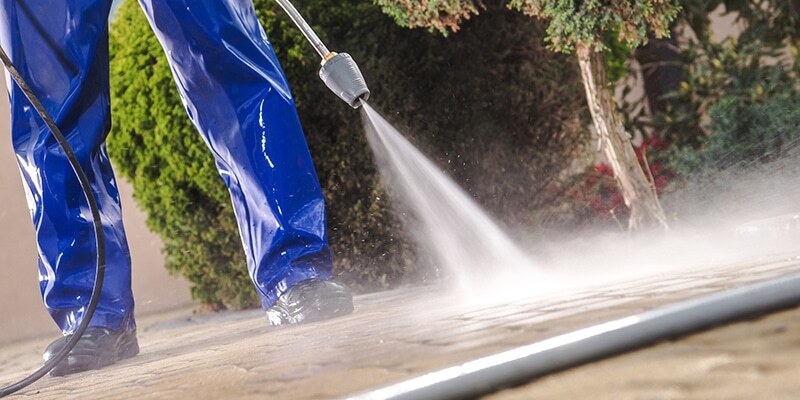
1. Freeze-Thaw Cycles Cause Cracks and Surface Breakdowns
The biggest contributor to winter damage is freeze-thaw action.
How It Works
- Water seeps into tiny pores and cracks
- Temperatures drop, and water freezes
- Frozen water expands, widening cracks
- Thawing allows more water to enter
Over the course of winter, this cycle repeats dozens of times, leading to:
- Hairline cracks
- Surface pitting
- Uneven sections
What starts small often becomes structural damage if left untreated.
2. De-Icing Salts Accelerate Deterioration
Road salt and ice melt products are effective—but harsh.
How Salt Damages Driveways and Walkways
- Pulls moisture into concrete
- Weakens surface bonds
- Causes flaking and scaling
- Leaves white residue stains
Salt damage is especially common near garages, sidewalks, and steps where products are applied heavily. Without proper spring cleaning, salt continues to attract moisture long after winter ends.
3. Winter Stains Become Permanent Over Time
Winter leaves behind more than cracks—it leaves stains.
Common Winter Stains
- Salt residue and white haze
- Rust from metal furniture or railings
- Dark discoloration from moisture buildup
- Tire marks and oil spots
If not removed promptly, these stains penetrate deeper into concrete pores, becoming permanent and much harder to clean later.
4. Algae and Mold Grow Faster After Winter
Once temperatures rise, moisture trapped from winter creates the perfect environment for algae and mold.
Why This Happens
- Dirty surfaces retain moisture
- Shaded areas dry slowly
- Spring rain reactivates spores
This growth not only looks bad—it creates slippery conditions that increase the risk of falls.
5. Winter Damage Creates Slip Hazards in Spring
Cracks, uneven surfaces, and organic growth combine to create safety risks.
Common Spring Hazards
- Slippery algae-covered concrete
- Uneven slabs from freeze damage
- Ice melt residue reduces traction
These hazards pose risks to family members, guests, and delivery drivers—and can lead to liability concerns for homeowners.
6. Small Winter Damage Turns Into Costly Repairs
Ignoring winter damage allows problems to escalate.
What Can Happen Over Time
- Cracks widen and spread
- Water reaches the base layer
- Sections sink or heave
- Full replacement becomes necessary
Addressing damage early—through cleaning and minor repairs—costs far less than resurfacing or replacing driveways and walkways.
How Spring Cleaning Helps Reverse Winter Damage
Professional concrete cleaning in spring is one of the most effective ways to combat winter damage.
Benefits of Spring Cleaning
- Removes salt residue
- Flushes moisture-holding debris
- Reveals cracks early
- Restores traction and appearance
Clean surfaces dry faster, reducing future freeze-thaw stress.
When Sealing Becomes Important
After cleaning, many NJ homeowners consider sealing.
Sealing Benefits
- Reduces moisture absorption
- Protects against salt damage
- Slows staining and cracking
Sealing is especially beneficial for older driveways or those with heavy winter exposure.
DIY vs Professional Post-Winter Cleaning
DIY cleaning often removes surface dirt—but misses deeper issues.
DIY Limitations
- Incomplete salt removal
- Inconsistent pressure
- Missed problem areas
Professional services:
- Use surface-safe pressure
- Apply treatments designed for NJ conditions
- Identify early damage signs
This leads to better long-term protection.
How Often Should NJ Driveways Be Maintained?
Recommended schedule:
- Concrete cleaning: Once per year (spring)
- Spot cleaning: As needed for stains or algae
- Sealing: Every few years, depending on wear
Homes with heavy shade or frequent salt use may require more frequent care.
Frequently Asked Questions (FAQ)
Is winter damage inevitable?
Some wear is unavoidable, but proper maintenance significantly reduces damage.
Does pressure washing cause cracks?
No—when done professionally using proper pressure control.
Can spring cleaning fix cracks?
Cleaning won’t repair cracks, but it prevents them from worsening.
Is sealing worth it in NJ?
Yes, especially after winter exposure.
Conclusion
Understanding how winter damage affects NJ driveways and walkways explains why spring maintenance is so important. Freeze-thaw cycles, salt, and moisture quietly weaken surfaces all winter long, leading to cracks, stains, and safety hazards.
With professional cleaning and timely care, NJ homeowners can reverse much of winter’s impact, extend surface lifespan, and keep driveways and walkways safe year-round.
Conversion-Optimized Call to Action (CTA)
If your driveway or walkway shows signs of winter wear, don’t wait for damage to spread.
👉 Schedule professional concrete cleaning today and protect your New Jersey surfaces after winter.
SEO Optimization Summary
Primary Keyword:
- How winter damage affects NJ driveways and walkways
Secondary Keywords:
- Winter concrete damage NJ
- driveway cleaning New Jersey
- post-winter exterior cleaning
- sidewalk pressure washing
LSI Keywords:
- freeze-thaw cycles
- salt damage
- spring concrete maintenance
- slip hazard prevention
Internal Linking Opportunities:
- Spring Pressure Washing Services in New Jersey: Why Timing Matters
- Why Concrete Cleaning Matters in New Jersey Neighborhoods
- Is Your New Jersey Driveway a Slip Hazard?
- The Real Cost of Ignoring Exterior Cleaning in New Jersey
Meta Title (SEO-Optimized)
How Winter Damage Affects NJ Driveways and Walkways
Meta Description (≤160 Characters)
Learn how winter damage affects NJ driveways and walkways, including freeze-thaw cracking, salt damage, and spring safety risks.