
Primary Keyword: Pressure washing after winter in NJ
Suggested SEO-Friendly URL Slug:
/pressure-washing-after-winter-nj/
Introduction
Winter leaves its mark on every New Jersey home. From salt residue and grime to mold spores and moisture buildup, cold-weather conditions quietly damage exterior surfaces. That’s why pressure washing after winter is essential for NJ homeowners who want to protect their property, improve curb appeal, and prevent costly repairs.
This guide explains what winter does to your home’s exterior, why spring cleaning matters, and how to pressure wash safely and effectively in New Jersey’s climate.
What Winter Does to NJ Home Exteriors
New Jersey winters are especially harsh due to fluctuating temperatures and high moisture levels.
Common post-winter issues include:
- Road salt and ice melt residue
- Mold and mildew spores
- Dirt and pollution buildup
- Moisture trapped in shaded areas
- Algae growth starts in early spring
Even if stains aren’t obvious yet, damage often begins below the surface.
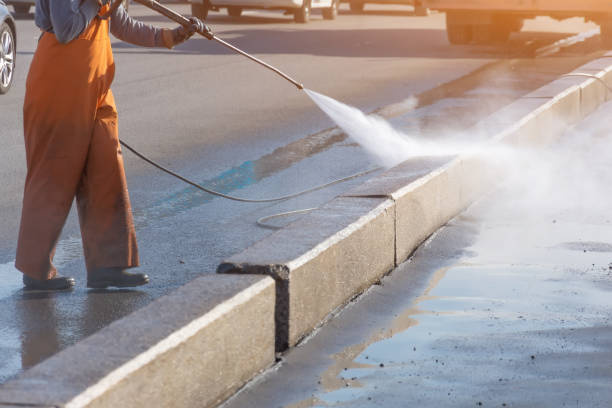
Why Pressure Washing After Winter Matters
Pressure washing after winter isn’t just cosmetic—it’s preventative maintenance.
Key Benefits
- Removes corrosive salt residue
- Stops mold and algae growth early
- Prevents moisture damage
- Restores safety to walkways and driveways
- Prepares surfaces for spring rain
Addressing these issues early prevents small problems from turning into expensive repairs.
Step 1: Inspect Your Home Before Washing
Before starting any pressure washing, walk around your home.
Look For:
- Green, black, or brown stains
- White salt residue
- Cracks or peeling paint
- Loose siding or trim
- Areas that stay damp
This inspection helps determine the correct cleaning method and prevents accidental damage.
Step 2: Use the Right Method for Each Surface
One of the most important parts of pressure washing after winter in NJ is knowing what NOT to pressure wash.
Safe Cleaning Methods
- Siding: Soft washing (low pressure + cleaning solution)
- Concrete & driveways: Controlled pressure washing
- Roofs: Soft washing only (never high pressure)
- Decks: Low-pressure, wood-safe methods
Excessive pressure can worsen winter damage from freeze-thaw cycles.
Step 3: Remove Salt Residue First
Salt is one of winter’s most damaging leftovers.
Why Salt Must Be Removed
- Attracts moisture
- Breaks down paint and finishes
- Accelerates concrete deterioration
Pressure washing after winter removes salt before spring rain reactivates its corrosive effects—especially near roads, driveways, and sidewalks.
Step 4: Target Mold and Algae Early
As temperatures rise, mold and algae grow fast in NJ.
Early cleaning:
- Kills spores before peak growth
- Prevents slippery surfaces
- Reduces indoor air quality issues
Soft washing solutions are especially effective because they eliminate growth at the root—not just on the surface.
Step 5: Choose the Right Timing
Timing matters when pressure washing after winter.
Ideal Conditions in NJ
- Daytime temperatures above 45°F
- No overnight freezing
- Dry forecast for 24–48 hours
Late March through early May is typically the best window for post-winter pressure washing in New Jersey.
Step 6: Don’t Forget Gutters and Downspouts
Pressure washing works best when paired with gutter cleaning.
Why This Matters
- Winter debris blocks drainage
- Overflow keeps siding wet
- Moisture fuels mold regrowth
Clean gutters allow washed surfaces to dry properly and prevent recurring stains.
Step 7: Clean Concrete for Safety
Winter leaves concrete especially vulnerable.
Post-winter concrete cleaning:
- Removes algae and salt residue
- Restores traction
- Prevents slip hazards
Driveways and walkways are often the most dangerous surfaces after winter—and the easiest to overlook.
DIY vs Professional Pressure Washing After Winter
Many NJ homeowners attempt DIY washing—but winter damage adds risk.
DIY Risks
- Forcing water into freeze cracks
- Stripping paint or siding
- Incomplete mold removal
- Personal injury
Professional services:
- Use surface-appropriate pressure
- Apply NJ-specific treatments
- Deliver longer-lasting results
For multi-story homes or roofs, professional cleaning is strongly recommended.
How Often Should NJ Homes Be Washed After Winter?
Typical recommendations:
- House washing: Once per year (spring)
- Concrete cleaning: Once per year
- Roof cleaning: Every 2–3 years
- Gutter cleaning: Spring and fall
Homes with heavy shade or tree coverage may benefit from more frequent service.
Common Mistakes to Avoid
Avoid these post-winter pressure washing mistakes:
- Washing too early when freezing temps remain
- Using high pressure on siding or roofs
- Skipping shaded areas
- Ignoring gutters
Correct technique makes all the difference.
Frequently Asked Questions (FAQ)
Is pressure washing safe after winter?
Yes, when done correctly using proper methods.
Can pressure washing fix winter cracks?
No, but it prevents them from worsening.
Is spring better than summer?
Yes. Spring stops mold growth early and delivers longer-lasting results.
Should I wash my roof?
Yes—but only using soft washing.
Conclusion
Following this pressure washing after winter, the NJ homeowner’s guide helps protect your home from moisture damage, mold growth, and premature exterior wear. Winter residue doesn’t disappear on its own—and waiting allows damage to accelerate as temperatures rise.
With proper timing, safe techniques, and routine maintenance, NJ homeowners can restore their homes after winter and enjoy cleaner, safer exteriors year-round.
Conversion-Optimized Call to Action (CTA)
Don’t let winter damage linger into spring.
👉 Schedule professional pressure washing today and protect your New Jersey home after winter.
SEO Optimization Summary
Primary Keyword:
- Pressure washing after winter NJ
Secondary Keywords:
- post-winter pressure washing
- spring exterior cleaning NJ
- pressure washing New Jersey
- exterior cleaning after winter
LSI Keywords:
- salt residue removal
- mold and algae prevention
- freeze-thaw damage
- spring home maintenance
Internal Linking Opportunities:
- Post-Winter House Washing Tips for New Jersey Homes
- Spring Pressure Washing Services in New Jersey: Why Timing Matters
- How Winter Damage Affects NJ Driveways and Walkways
- Why Annual House Washing Is Important for NJ Homes
Meta Title (SEO-Optimized)
Pressure Washing After Winter: A NJ Homeowner’s Guide
Meta Description (≤160 Characters)
Learn how pressure washing after winter helps NJ homeowners remove salt, prevent mold, and protect siding, driveways, and walkways.