
Primary Keyword: Why concrete cleaning is essential for NJ homes
Suggested SEO-Friendly URL Slug:
/why-concrete-cleaning-is-essential-for-nj-homes/
Introduction
Many homeowners underestimate why concrete cleaning is essential for NJ homes until stains, cracks, and safety issues become impossible to ignore. Driveways, sidewalks, patios, and pool decks are some of the most heavily used surfaces on your property—and in New Jersey, they take a beating year-round.
Between humidity, frequent rain, winter salt, algae growth, and freeze-thaw cycles, concrete surfaces in NJ deteriorate faster than in many other regions. Regular concrete cleaning isn’t just about keeping things looking nice—it’s a crucial part of protecting your home’s value, safety, and long-term durability.
New Jersey’s Climate Is Tough on Concrete
Concrete may look solid, but it’s actually porous. That means it absorbs moisture, chemicals, and contaminants easily—especially in New Jersey’s climate.
1. Freeze-Thaw Damage
During winter, moisture seeps into concrete pores.“Freezing temperatures cause moisture to expand, forming micro-cracks that lead to surface deterioration and long-term damage.”
2. High Humidity and Rainfall
Moist conditions allow algae, mold, and mildew to grow on concrete surfaces, particularly in shaded areas. This growth isn’t just unsightly—it actively breaks down the surface over time.
3. De-Icing Salts and Chemicals
Road salt and ice melt products accelerate concrete wear by breaking down its protective outer layer, increasing porosity and staining.
Concrete Stains Aren’t Just Cosmetic
Many homeowners view concrete stains as a visual issue, but they often signal deeper problems.
Common NJ Concrete Stains
- Oil and grease from vehicles
- Rust from metal furniture or fertilizers
- Green and black algae growth
- Leaf tannins and organic stains
- Tire marks and chemical spills
Left untreated, these substances penetrate deeper into concrete, making stains harder—or impossible—to remove later.
Safety Risks of Dirty Concrete
One of the most overlooked reasons concrete cleaning is essential is safety.
Slippery Surfaces
Algae and mildew create slick surfaces on:
- Driveways
- Walkways
- Pool decks
- Front steps
“This poses a serious slip-and-fall hazard, particularly for children, seniors, and guests.”Cracked or pitted concrete caused by neglect can create trip hazards that may require costly repairs if not addressed early.
How Professional Concrete Cleaning Protects Your Investment
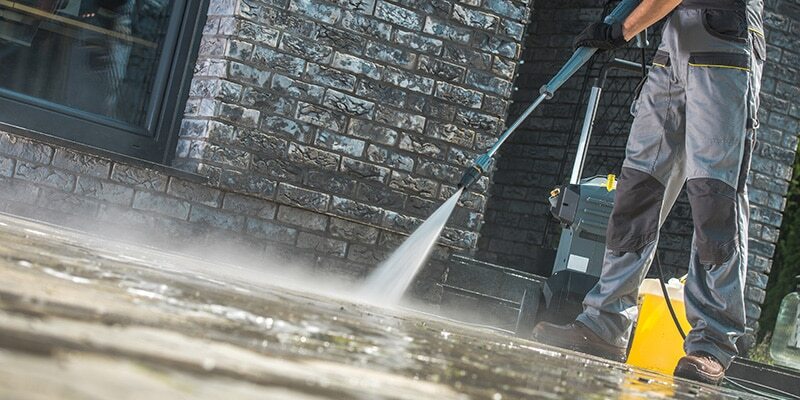
Professional concrete cleaning goes far beyond spraying water at high pressure.
Experts use:
- Surface-appropriate pressure levels
- Specialized detergents for oil, rust, and organic stains
- Hot-water pressure washing when necessary
- Techniques that clean without etching or weakening concrete
When done regularly, professional cleaning helps:
- Extend concrete lifespan
- Prevent costly resurfacing or replacement
- Maintain a uniform, well-kept appearance
According to real estate professionals, clean hardscapes play a major role in first impressions and overall curb appeal.
DIY Cleaning vs Professional Concrete Cleaning
Many NJ homeowners attempt DIY concrete cleaning, but results are often short-lived—or damaging.
Common DIY Mistakes
- Using excessive pressure that etches concrete
- Failing to pre-treat stains
- Spreading oil stains deeper into the surface
- Ignoring post-cleaning protection
Professionals understand how to lift contaminants out of concrete rather than pushing them deeper.
How Often Should Concrete Be Cleaned in New Jersey?
To prevent permanent staining and surface damage, experts recommend:
- Once per year for most residential concrete
- Twice per year for shaded or high-traffic areas
- Immediate cleaning for oil or chemical spills
Added Benefits of Regular Concrete Cleaning
Beyond protection and safety, regular concrete cleaning offers additional benefits:
- Boosts curb appeal instantly
- Improves HOA compliance
- Enhances property value
- Prepares surfaces for sealing
- Reduces long-term maintenance costs
For homeowners planning to sell, clean concrete can significantly improve buyer perception.
Frequently Asked Questions (FAQ)
Does concrete cleaning damage surfaces?
When done professionally, no. Damage usually occurs from improper pressure or techniques.
Can old concrete stains be removed?
Many can be lightened or removed if treated early. Deep, long-term stains may not disappear completely.
Is sealing concrete recommended after cleaning?
Yes. Sealing helps prevent moisture absorption and future staining.
Is professional concrete cleaning eco-friendly?
Reputable companies use biodegradable detergents and controlled water usage.
Conclusion
Understanding why concrete cleaning is essential for NJ homes comes down to protection, safety, and long-term value. New Jersey’s climate accelerates wear and staining, making routine concrete cleaning a critical part of home maintenance—not an optional upgrade.
By staying proactive, homeowners can preserve their concrete surfaces, reduce repair costs, and maintain a cleaner, safer property year-round.
Conversion-Optimized Call to Action (CTA)
If your driveway, patio, or walkways are stained, slippery, or dull, don’t wait for damage to worsen.
👉 Schedule a professional concrete cleaning today and protect your New Jersey home from costly repairs.
SEO Optimization Summary
Primary Keyword:
- Why concrete cleaning is essential for NJ homes
Secondary Keywords:
- concrete cleaning New Jersey
- driveway cleaning NJ
- pressure washing concrete
- professional concrete cleaning
LSI Keywords:
- freeze-thaw damage
- algae and mold removal
- concrete stain prevention
- curb appeal maintenance
Internal Linking Opportunities:
- Driveway Cleaning in New Jersey: When Stains Become Permanent
- The Best Pressure Washing Services for NJ Homeowners
- Why New Jersey Homes Get Dirty Faster Than You Think
- Can Pressure Washing Damage Siding? NJ Experts Explain
Meta Title (SEO-Optimized)
Why Concrete Cleaning Is Essential for NJ Homes
Meta Description (≤160 Characters)
Discover why concrete cleaning is essential for NJ homes and how regular maintenance prevents stains, damage, and safety risks.