
Winters in New Jersey are often harsh, with cold temperatures, snow, ice, heavy rainfall, and strong winds. Preparing your home before winter arrives isn’t just about comfort—it’s about preventing costly damage and protecting your property long-term. From clogged gutters to hidden roof issues, small problems can quickly turn into major repairs once winter weather hits.
This step-by-step guide helps you prepare your home’s exterior for the New Jersey winter season before harsh weather arrives.
Why Winter Preparation Is Critical in New Jersey
New Jersey’s winter conditions create unique challenges:
- Freeze–thaw cycles that crack concrete and siding
- Ice dams that damage roofs and gutters
- Heavy moisture that encourages mold and rot
- Snow buildup that stresses roofs and structures
Proper preparation helps prevent water intrusion, structural damage, and emergency repairs during the coldest months.
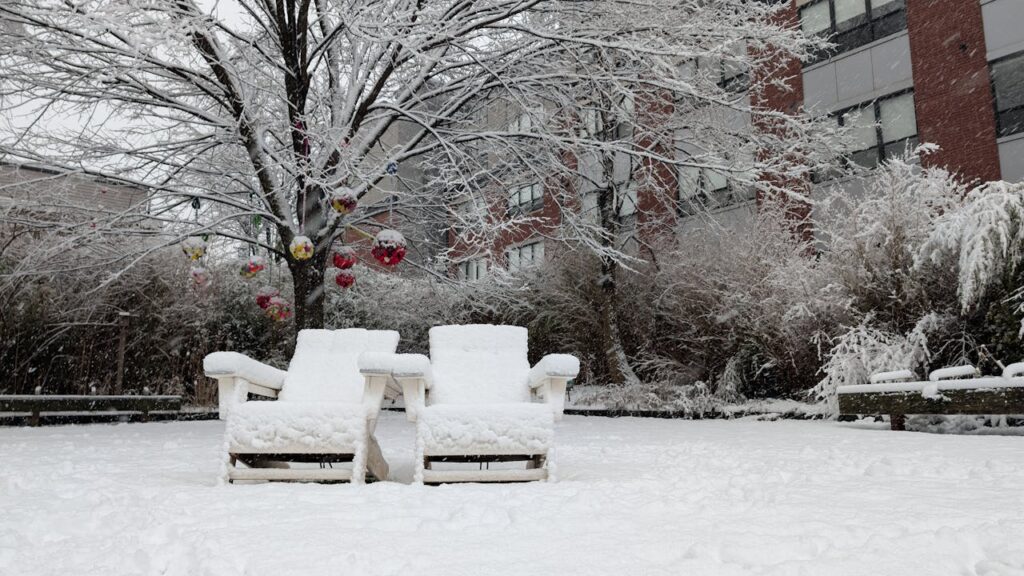
1. Inspect and Clean the Roof
Your roof is your home’s first layer of protection against harsh winter weather.
Before winter, make sure to:
- Remove leaves, branches, and debris
- Check for missing or damaged shingles.
- Look for dark streaks or moss growth.
- Make sure the flashing around chimneys and vents is properly secured.
📌 Tip: Soft washing is ideal before winter to remove algae and organic growth without damaging shingles. This helps prevent moisture retention and ice buildup.
2. Clean Gutters and Downspouts Thoroughly
Blocked gutters are among the top reasons New Jersey homes suffer winter damage.
Winter gutter prep checklist:
- Remove all leaves and debris
- Flush downspouts to ensure proper drainage
- Check for sagging or loose sections.
- Make sure water flows away from the foundation.
Blocked gutters can lead to ice dams, roof leaks, and foundation damage once temperatures drop.
3. Wash and Inspect Siding
Dirty siding doesn’t just look bad—it can hide problems.
Before winter:
- Remove dirt, mold, and mildew.
- Inspect for cracks, gaps, or loose panels.
- Check caulking around windows and doors.
✔ Soft washing siding in the fall helps eliminate moisture-trapping contaminants and allows you to spot repairs before freezing temperatures make them worse.
4. Seal Cracks and Gaps
Even small cracks can expand during freeze–thaw cycles.
Check and seal:
- Gaps in siding or trim
- Cracks in concrete steps and driveways
- Openings around utility lines and vents
Sealing these areas helps prevent water intrusion, drafts, and pest entry during winter.
5. Prepare Driveways, Walkways, and Concrete
Concrete is especially vulnerable to freezing temperatures.
Winter prep steps:
- Pressure wash to remove dirt and salt residue.
- Repair visible cracks
- Consider sealing concrete surfaces.
📌 Clean, sealed concrete is less likely to crack or spall when exposed to ice and snow.
6. Protect Decks, Patios, and Wood Surfaces
Wood surfaces absorb moisture, which can lead to rot and winter warping.
Before winter:
- Clean decks and fences gently
- Inspect for loose boards or rot.
- Apply sealant or stain if needed.
This helps wood withstand snow and freezing rain.
7. Trim Trees and Clear Yard Debris
Overhanging branches and yard clutter can cause serious winter issues.
Do this before winter storms:
- Trim branches near the roof or siding
- Remove dead or weak limbs
- Clear leaves from lawns and beds
This reduces the chances of storm damage and blocked gutters.
8. Check Outdoor Fixtures and Drainage
Don’t overlook exterior details.
Inspect:
- Hose bibs and exterior faucets (shut off and drain)
- Outdoor lighting and fixtures
- Drainage paths around the foundation
Good drainage prevents water from pooling, which can freeze and cause foundation issues.
9. Final Exterior Walk-Through
Before winter fully sets in, do one last inspection:
- Confirm gutters are clear
- Ensure siding and roof are secure.
- Look for areas where snow or ice could collect.
Catching issues now saves time, money, and stress later.
Conclusion: Winter-Ready Homes Are Protected Homes
Preparing your home for winter in New Jersey is about prevention, protection, and peace of mind. By cleaning and inspecting key exterior areas before temperatures drop, you reduce the risk of damage from snow, ice, and freezing conditions.
A well-prepared home not only survives winter—it comes out of it stronger, cleaner, and ready for spring.